
How NeuroCuple® Works
A passive nanocapacitive platform — no external power source, battery, or electrical stimulation.
Pain is noise
Whether pain comes from an injury, overuse, inflammation, or a chronic condition, what you feel is the result of signals being sent from the painful area to the brain. The NeuroCuple® device was designed to help support relief by working with your body’s natural bioelectrical environment using what we call Neuro Capacitive Coupling technology. In simple terms, it is designed to help “turn down the noise.” ⚑
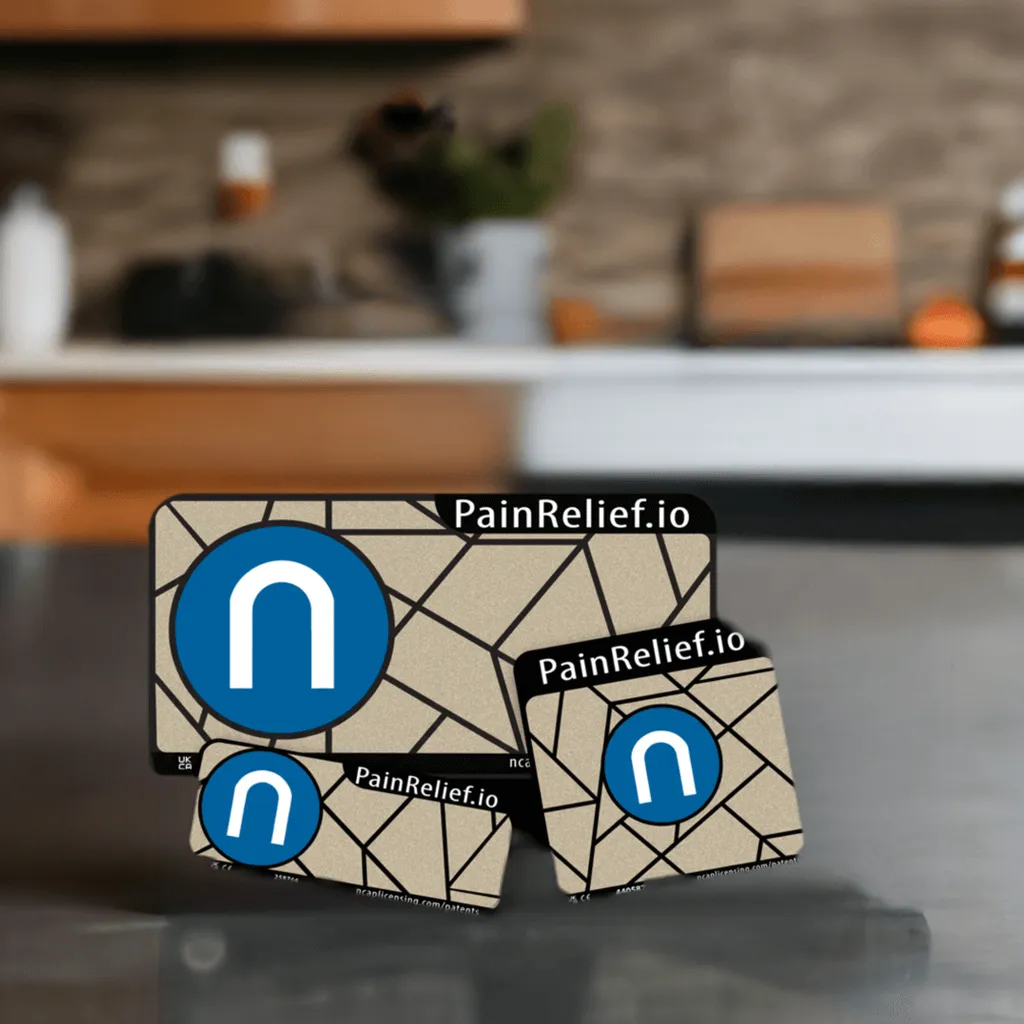
Inside each device is our patented NeuroCuple® layer, sealed between two durable waterproof layers.
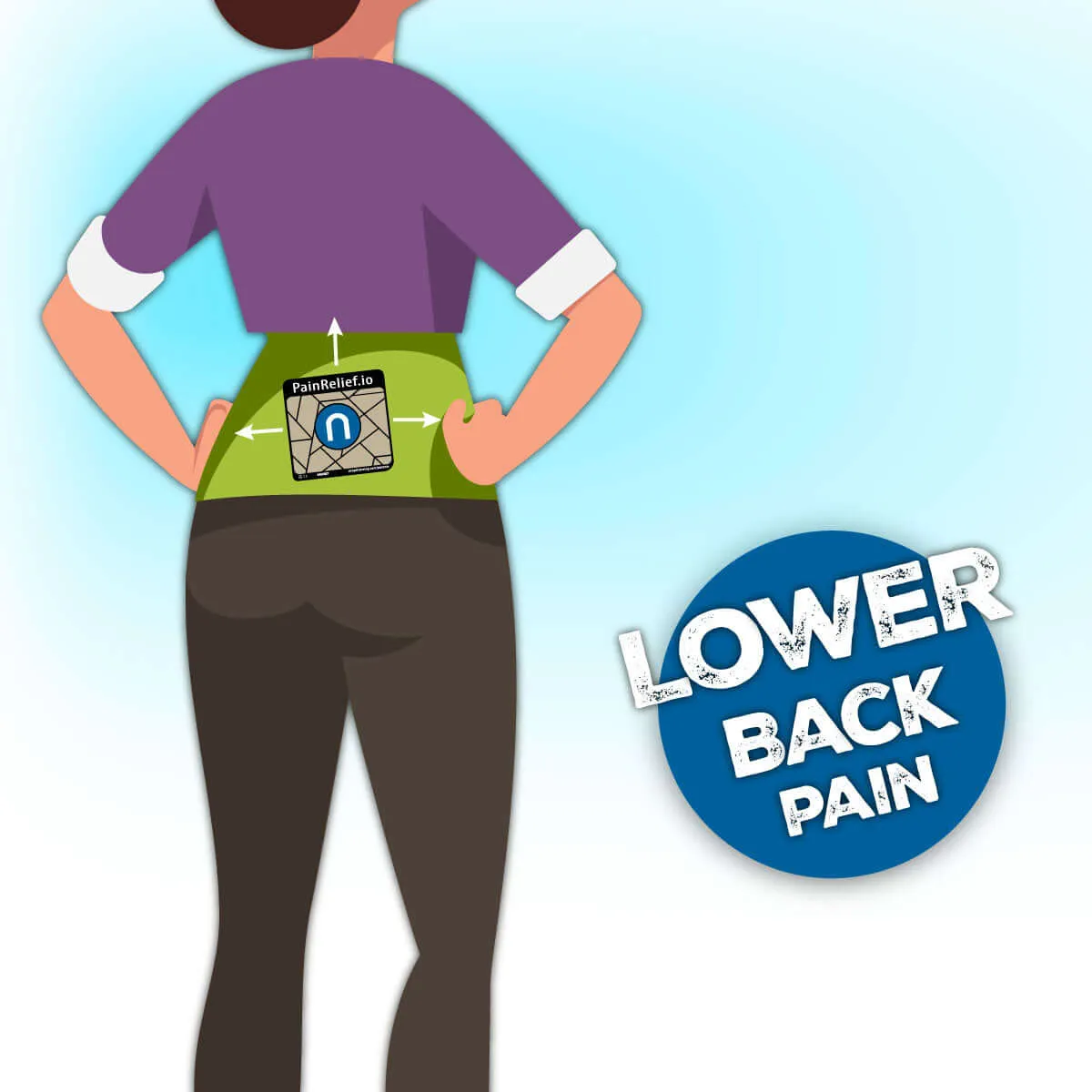
Finding your spot
- Place the device over the area of pain, wait 2–5 minutes.
- If you are not starting to feel relief, move the device an inch at a time, waiting 1 minute between moves.
- Repeat until you find where your pain is at its minimum. The final location may be a good distance from where the pain is felt.
The device doesn’t need bare skin: use it over thin clothing, cloth, wraps or bandages.
Patents
Foundational NeuroCuple® architecture.
Advanced multilayer nanostructures.
Enhanced material designs.
Expanded system designs and methods.
Published research
NeuroCuple® has been evaluated in published clinical research, including a randomized, sham-controlled trial (2026) and an earlier open-label pilot study (2023). In the randomized trial after surgery: 26% less opioid use in the first 24 hours (P = 0.015), 19% shorter hospital length of stay (P = 0.006), and 14% less pain at rest at week 1 (P = 0.05). ⚑
- Randomized, Sham-Controlled Trial (2026): Klatt et al., The Journal of Arthroplasty. University of Pittsburgh Medical Center Shadyside & UPMC East · n = 156 · NCT06460350 · NIDA/NIH funded.
- Open-Label Pilot Study (2023): Chelly et al., Journal of Clinical Medicine. UPMC Shadyside Hospital · n = 69 · NCT05252858.
This evidence supports controlled evaluation and clinical discussion — it does not support replacing standard medical care or medication decisions made with your doctor.
Shop devicesFollow PainRelief.io
Tips, placement guides and stories from people using NeuroCuple®.